
Foundation Design: Determines the type and depth of foundation required.
Soil Bearing Capacity: Assesses how much load the soil can safely support.
Soil Composition: Identifies soil types (clay, sand, silt, etc.), which affect drainage and stability.
Moisture Content: Helps in understanding the water table and potential for swelling/shrinkage.
Compaction Needs: Guides decisions on how much the soil needs to be compacted for stability.
Risk Identification: Detects potential problems like expansive soils, organic materials, or contamination.
Soil testing is the process of analyzing soil samples to determine their physical, chemical, and biological properties.
There are physical, chemical, and biological soil tests.
Soil testing provides information on nutrient levels, pH, contaminant presence, and soil structure.
Yes, soil testing helps determine optimal fertilizer application rates and types.
While DIY kits are available, professional laboratory testing provides more accurate and comprehensive results.
Soil testing helps optimize crop growth, assess environmental risks, and inform construction decisions.
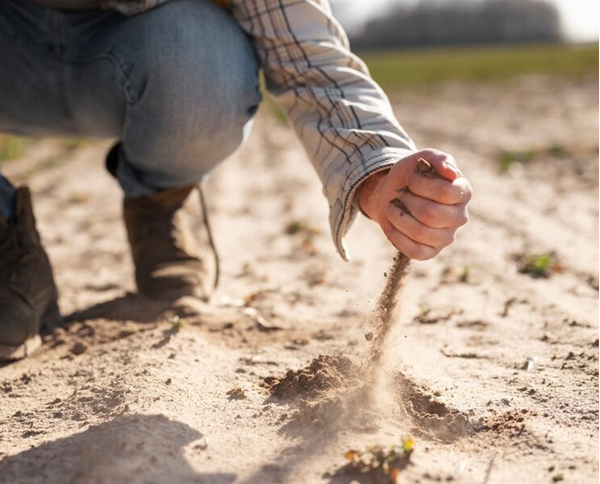
Collect soil samples from representative areas, typically 6-8 inches deep, and mix well.
Test your soil every 2-3 years or as needed, depending on land use and management.
Benefits include improved crop yields, reduced environmental risks, and cost savings.
Consult with a qualified professional or extension agent to interpret results and develop recommendations.
We’re here to help and answer any question you might have. We look forward to hearing from you


